Casey Cartwright
Retail businesses succeed when they offer products that create emotional connections. Keepsakes hold sentimental value because they mark personal memories, achievements, and life events.
Store owners should focus on choosing meaningful keepsakes for stores that represent lasting significance rather than short-term trends. Thoughtful selection encourages repeat customers and builds trust with shoppers seeking memorable gifts.
Identify Your Customer’s Emotional Motivation
Successful retailers study why customers purchase keepsakes. Most shoppers want gifts that communicate appreciation, encouragement, or remembrance. Store owners should analyze customer behavior and identify the occasions that drive purchasing decisions. This understanding helps businesses stock items that resonate with shoppers.
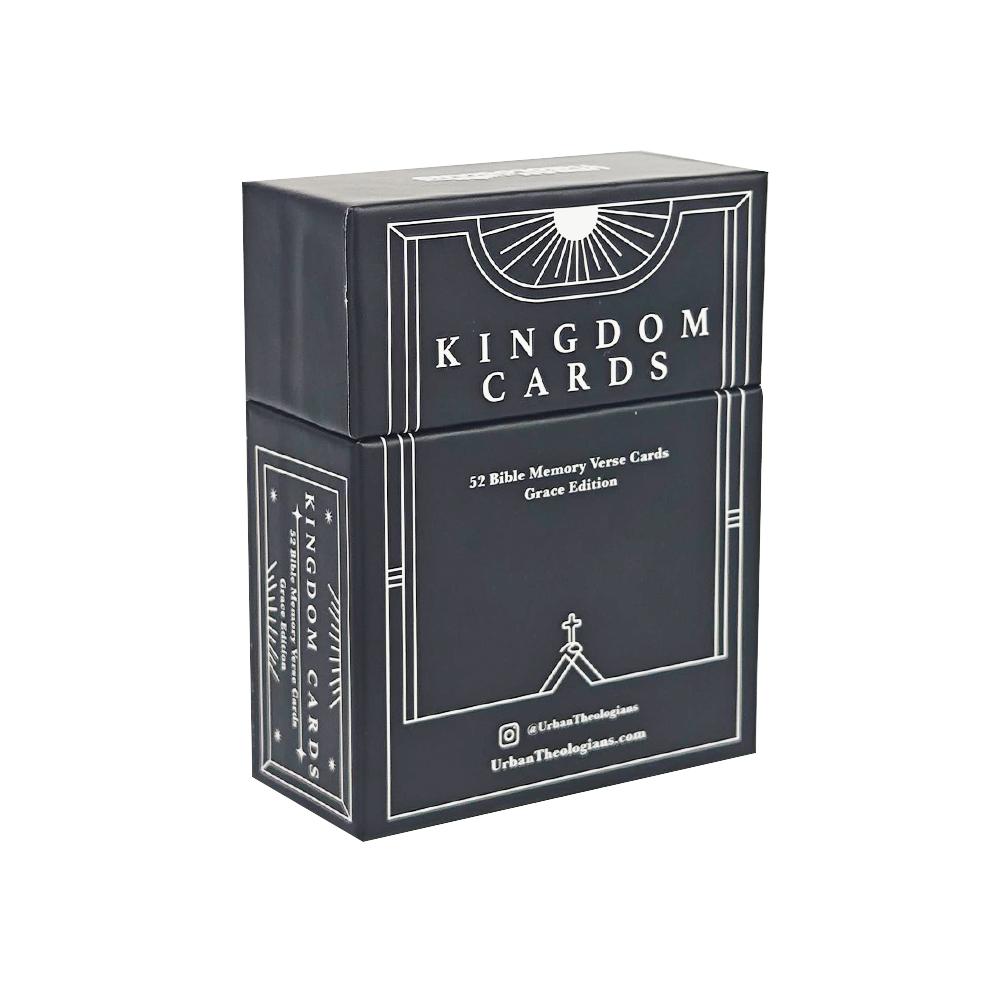
Many customers search for gifts that honor important life events. Products tied to traditions, family values, and personal achievements attract consistent demand. Retailers often notice strong interest in items related to celebrating milestones with faith-filled gifts, especially when customers want meaningful symbolism behind their purchases. Offering products that connect to these motivations
strengthens customer loyalty and increases sales.
Choose Items With Long-Term Appeal
Timeless design plays a major role in keepsake selection. Items that constantly attract customers outside of trends help accelerate small business growth and maintain a reliable inventory. These qualities help keepsakes remain meaningful for years.
Wood, glass, metal, and stone often appear in high-quality keepsakes. These materials communicate durability and value while maintaining visual appeal. Customers also appreciate elegant packaging that enhances the perceived importance of the gift. A well-presented keepsake encourages buyers to see the product as something worth preserving.
Evaluate Symbolism and Storytelling
Customers often choose keepsakes because of the story behind them. Retailers should consider the message each item communicates and how it connects to personal milestones. Symbolic imagery, inspirational quotes, and thoughtful design elements enhance emotional impact. Products that reflect shared experiences often generate strong customer interest.
Store owners should also highlight the meaning behind each product. Clear descriptions and in-store displays help shoppers understand the purpose of the item. When customers recognize the emotional value of a keepsake, they feel more confident about purchasing it. Story-driven merchandising also improves customer engagement.
Curate a Balanced Keepsake Selection
Maintaining product variety and inventory levels has a clear effect on retail sales. So, a thoughtful product mix ensures that different customers find items that fit their needs. This approach allows stores to serve a wider audience without overwhelming shoppers with too many choices. Strategic curation keeps the store organized and appealing.
Consider stocking several types of keepsakes that address common milestones and emotional moments:
- Personalized plaques or engraved keepsake boxes
- Decorative frames designed for milestone photographs
- Inspirational tokens or small collectible sculptures
- Journals or memory books for documenting special events
- Elegant ornaments or display pieces for commemorative moments
These categories provide variety while maintaining a clear focus on meaningful gifts.
Build a Reputation for Meaningful Retail
Stores that prioritize meaningful keepsakes often build strong customer relationships. Shoppers return to businesses that help them celebrate important moments in thoughtful ways. Retailers should continually evaluate which items resonate most with their audience. This feedback helps refine product selection and maintain relevance.
Businesses that focus on quality, symbolism, and thoughtful merchandising strengthen their brand identity. Over time, these practices create a retail experience centered on lasting memories.